


The Science of Taste
How Our Faculties Impact Flavor
Taste may be an interesting viewpoint of our tangible encounter that goes past the flavors we see. It's a complex transaction of our faculties, influenced by different components that come together to form the wealthy embroidered artwork of flavors we appreciate. In this web journal post, we'll dive into the science behind taste, investigating how our faculties impact flavor discernment.
The Nuts and Bolts of Taste
Taste, or outstation, is one of our essential faculties, besides locate, scent, touch, and hearing. It allows us to see distinctive flavors such as sweet, acrid, severe, salty. Whereas these flavors are commonly recognized, taste isn't exclusively capable of our discernment of nourishment; it works in conjunction with our sense of scent and other tangible signals to form the total involvement of flavor.
The Part of Scent
Our sense of scent, or faction, plays a critical part in how we see flavor. When we eat, smells from the nourishment travel through the back of our mouths to the faction receptors in our noses, where they connect with odor particles. These particles tie to receptors, sending signals to the brain that contribute to our general recognition of flavor. In truth, things have appeared that much of what we see as taste comes from our sense of scent.

Surface and Temperature
Surface too plays a crucial part in how we see flavor. The way nourishment feels in our mouths can significantly impact our satisfaction with it. For illustration, the crunch of a potato chip or the creaminess of ice cream can upgrade our recognition of flavor. So also, temperature can influence how we see flavors; nourishment that are hot or cold can alter the way we involve taste.
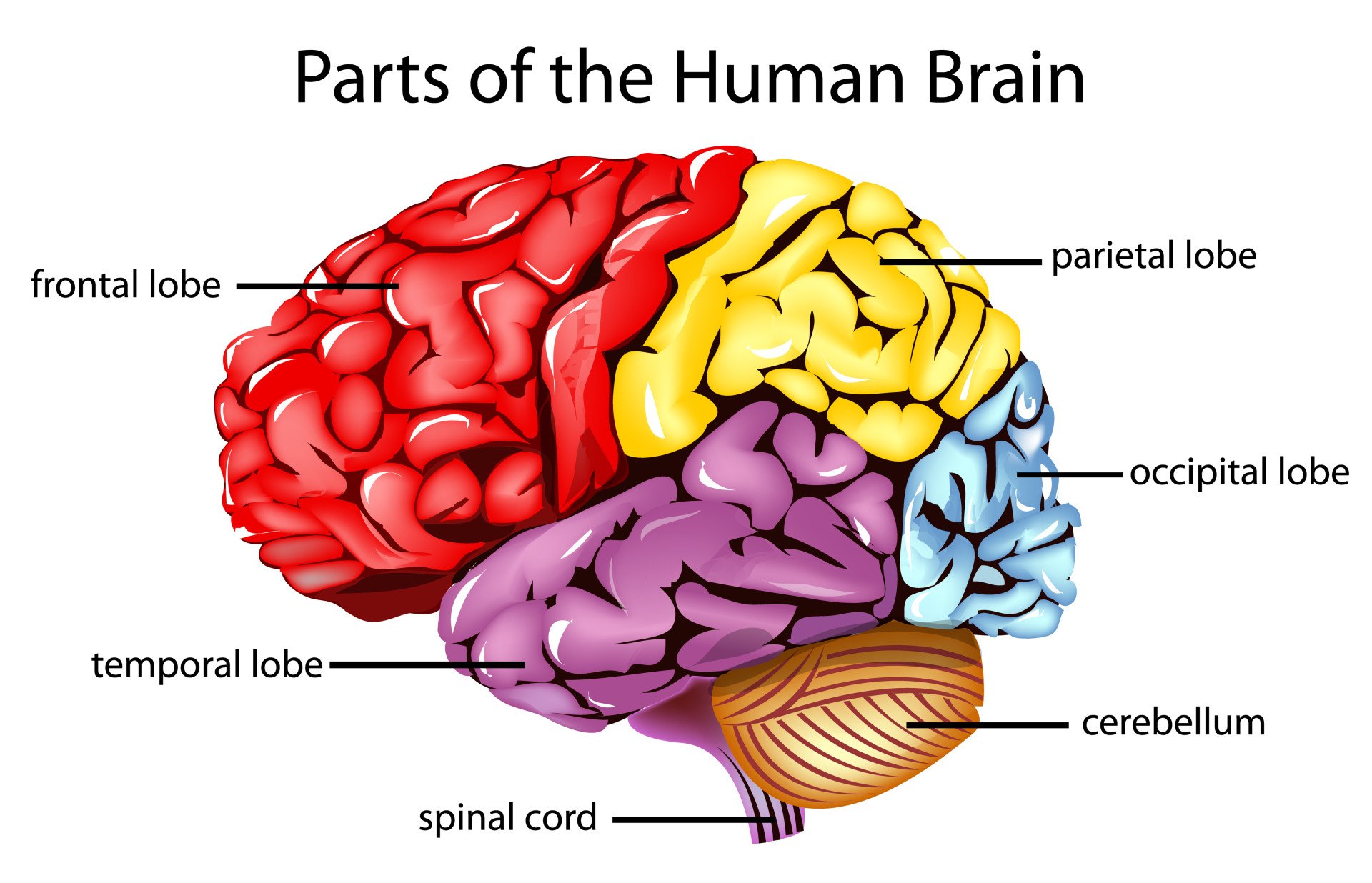
The Brain's Part
Eventually, the brain plays a central part in how we see flavor. It takes input from our taste buds, olfactory receptors, and other tactile prompts to create a cohesive flavor encounter. The brain moreover coordinates other components, such as our recollections and feelings, which can impact how we see flavors. For case, a nourishment that reminds us of a cheerful memory may taste way better than one that doesn't.

Social and Person Contrasts
It's critical to note that social and personal contrasts additionally impact taste. What one individual finds tasty, another may discover unappealing. These differences can be impacted by various variables, including hereditary qualities, childhood, and individual encounters.
Conclusion
The science of taste could be a complex and interesting subject that highlights the complex exchange of our faculties. By understanding how our faculties impact flavor discernment, ready to pick up a more prominent appreciation for the nourishment we eat and the encounters they make. Another time you sit down to appreciate a dinner, take a minute to savor the flavors and consider the science behind the taste.


0 Comments